Charles Dickens: Childhood, Work & Reform
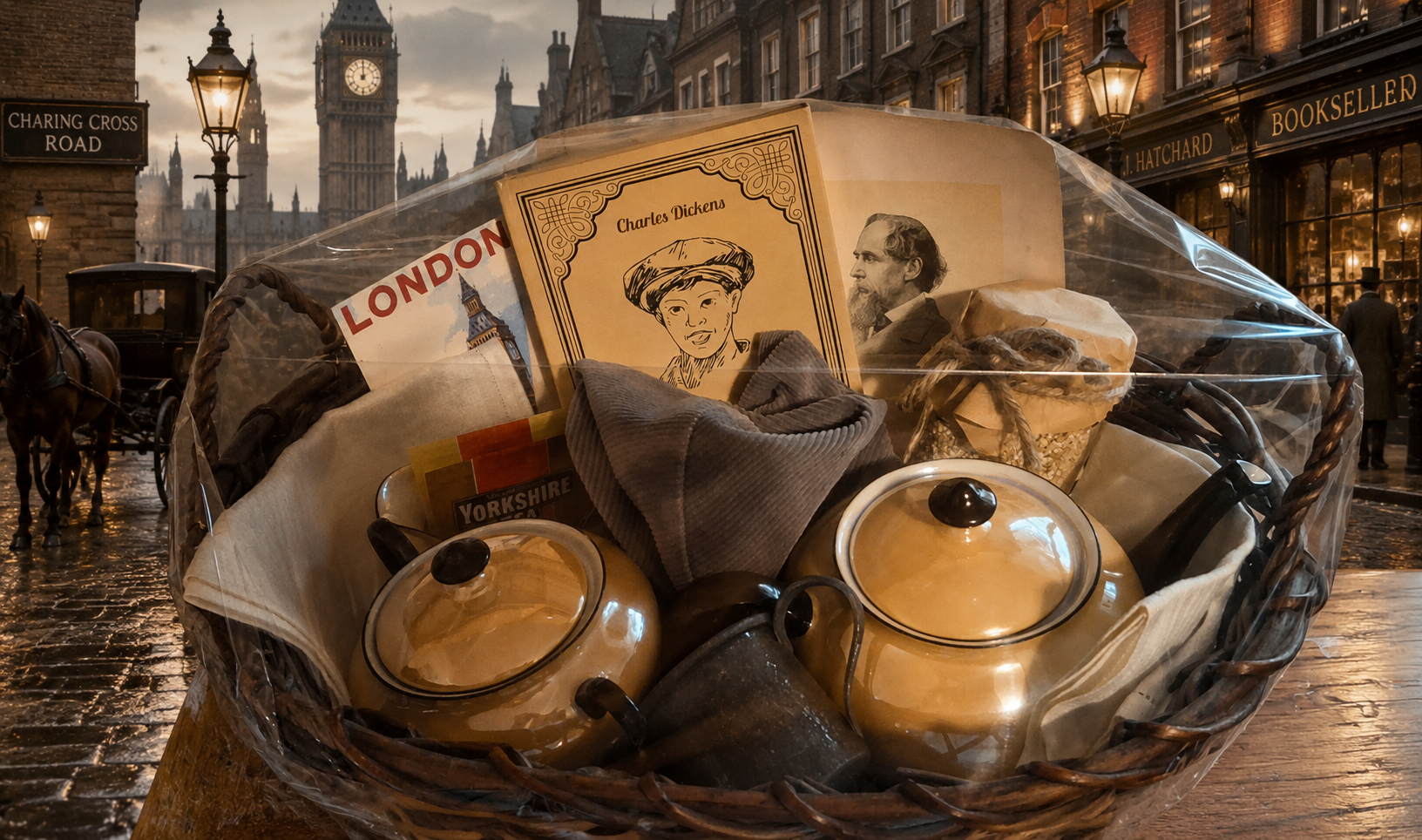
When Dickens was twelve, his father John Dickens was imprisoned for debt in the Marshalsea. Charles was sent to work at Warren’s Blacking factory, an experience of child labor and humiliation that stayed with him. His fiction and public writing repeatedly exposed poverty, workhouses and the treatment of children, making biography an illuminating doorway into Oliver Twist and his reforming imagination.
The Great Gatsby: Zelda, Women & Excess
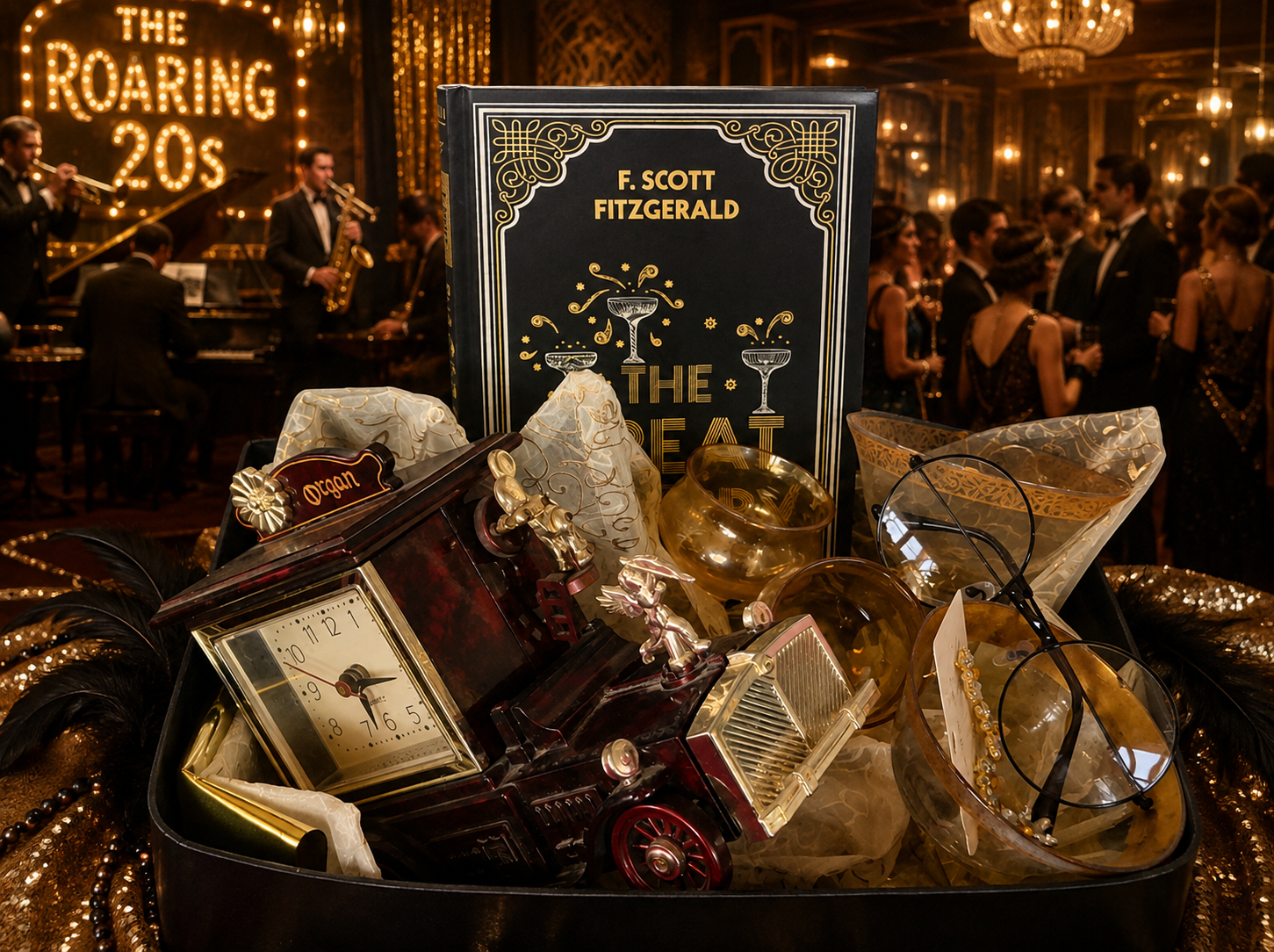
The glitter of Gatsby’s world invites questions about women, performance, money and freedom. Zelda Fitzgerald became both muse and artist in her own right, and debate continues around the creative exchange—and appropriation—within the Fitzgerald marriage. After years of psychiatric hospitalization, Zelda died in 1948 in a fire at Highland Hospital in Asheville. Read beside Daisy, Jordan and Myrtle, her life sharpens questions about the limits placed on women beneath the Jazz Age’s apparent freedom.
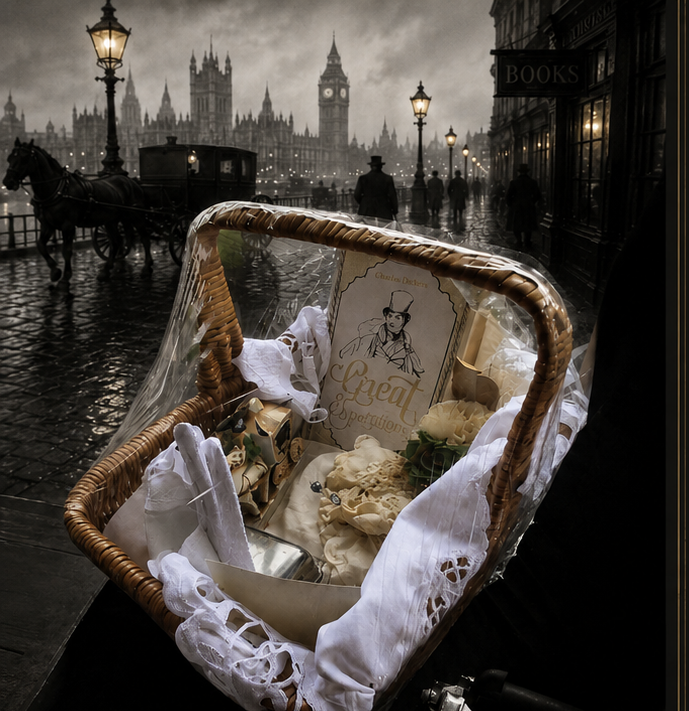
Great Expectations: Ambition, Class & Dickens
Pip’s hunger for “great expectations” opens questions about class, shame, loyalty and self-invention. Dickens’s own childhood experience of debt, factory labor and social insecurity gives the novel’s obsession with status and worth an intensely personal edge.
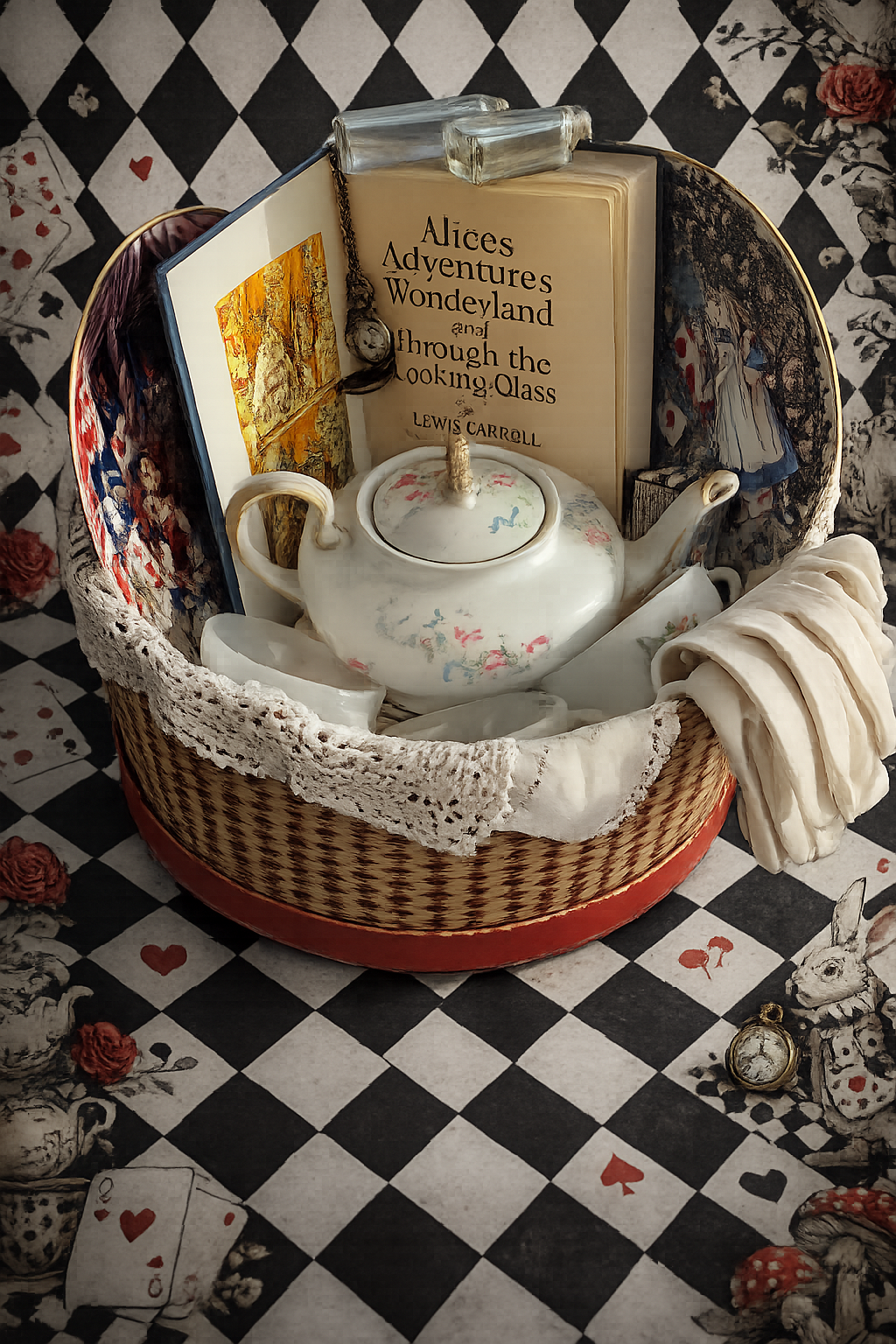
Alice: Characters from Lewis Carroll’s World
Carroll’s Wonderland grew from stories Charles Lutwidge Dodgson told Alice Liddell and her sisters. The book transforms Victorian acquaintances, schoolroom logic, Oxford surroundings, wordplay and private jokes into a world where authority, language and identity refuse to stay still.
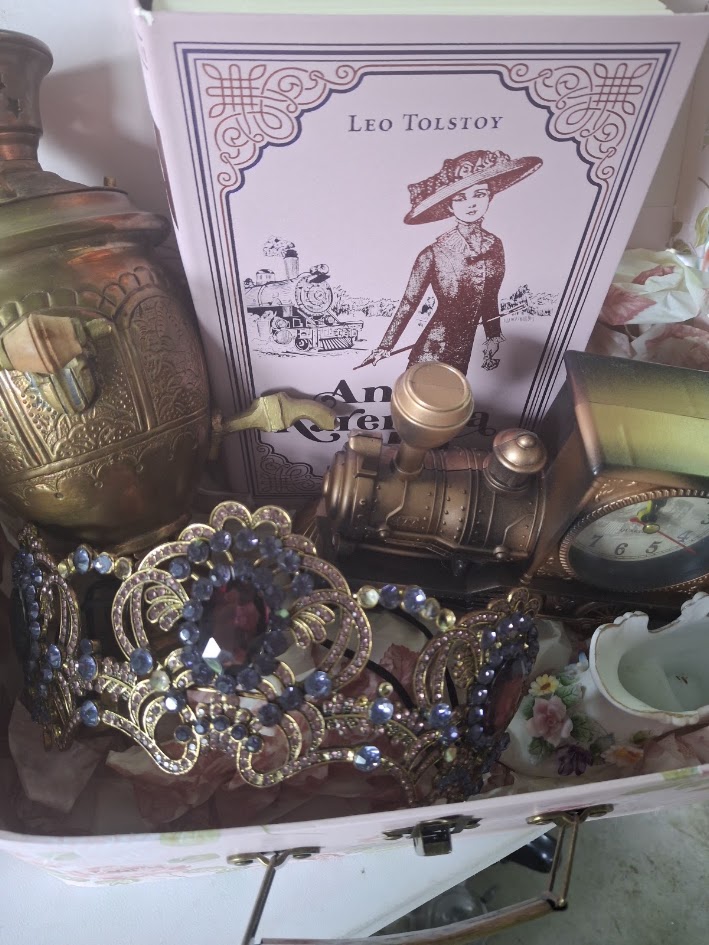
Anna Karenina: How a Samovar Makes Tea
A samovar heats water rather than brewing the tea itself. Traditionally, a strong tea concentrate is prepared in a small teapot and kept warm above the samovar; a little concentrate is poured into each glass or cup and diluted with hot water from the samovar. It turns tea into ritual—perfect for entering Tolstoy’s Russian social world.
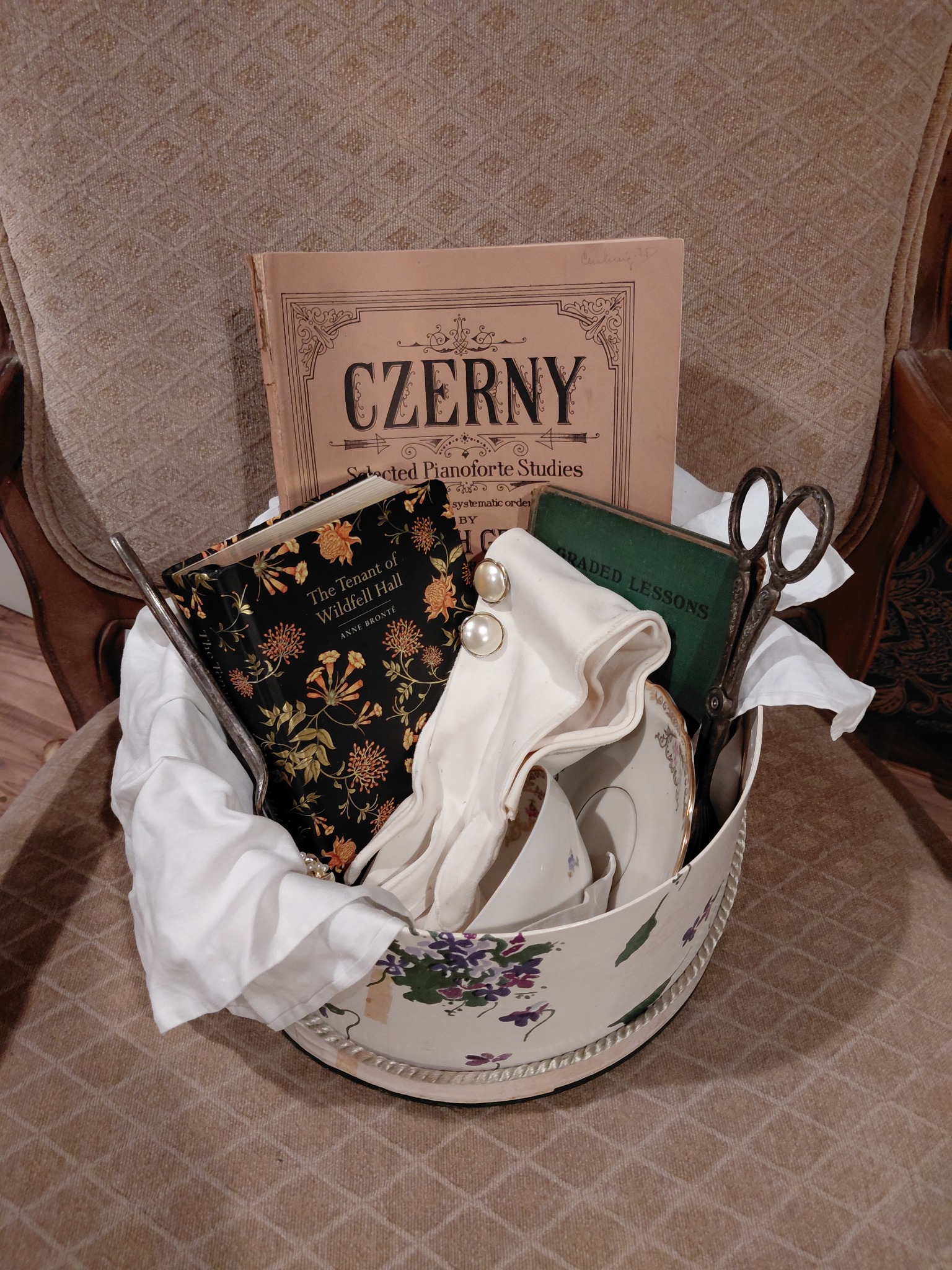
The Tenant of Wildfell Hall: A Radical Wife in 1848
Anne Brontë gives Helen Huntingdon a choice Victorian wives were rarely granted in fiction: she refuses to accept an alcoholic, destructive husband as her permanent fate. Helen leaves with her son, supports herself through her art, and ultimately allows the possibility of love on her own terms. Her flight also collided with the legal realities of coverture and fathers’ powerful custody rights. After Anne’s death, Charlotte Brontë declined to republish the novel for a time, calling its choice of subject a mistake—part of the fascinating history of a book that still feels startlingly modern.
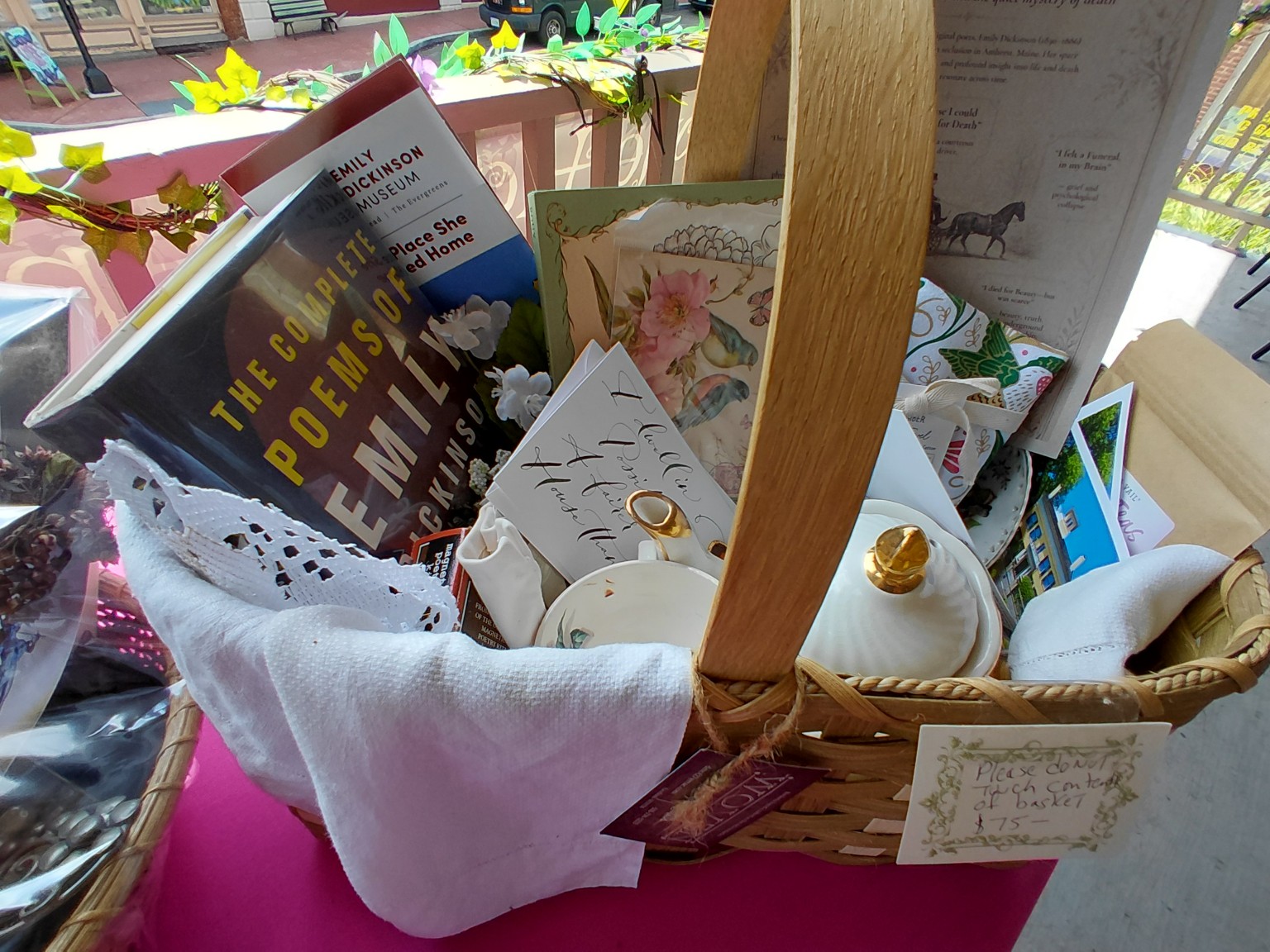
Emily Dickinson: The Domestic World Enlarged
Flowers, bees, birds, rooms, letters and the landscape of Amherst become enormous philosophical territory in Dickinson’s poetry. Visiting the Emily Dickinson Homestead makes that domestic scale tangible: the house, garden and Amherst landscape become part of the reading experience. The smallest object can open onto death, faith, desire, consciousness and immortality.
The journey connects those places to the flowers, natural objects, writing materials and quiet domestic details used in the basket.
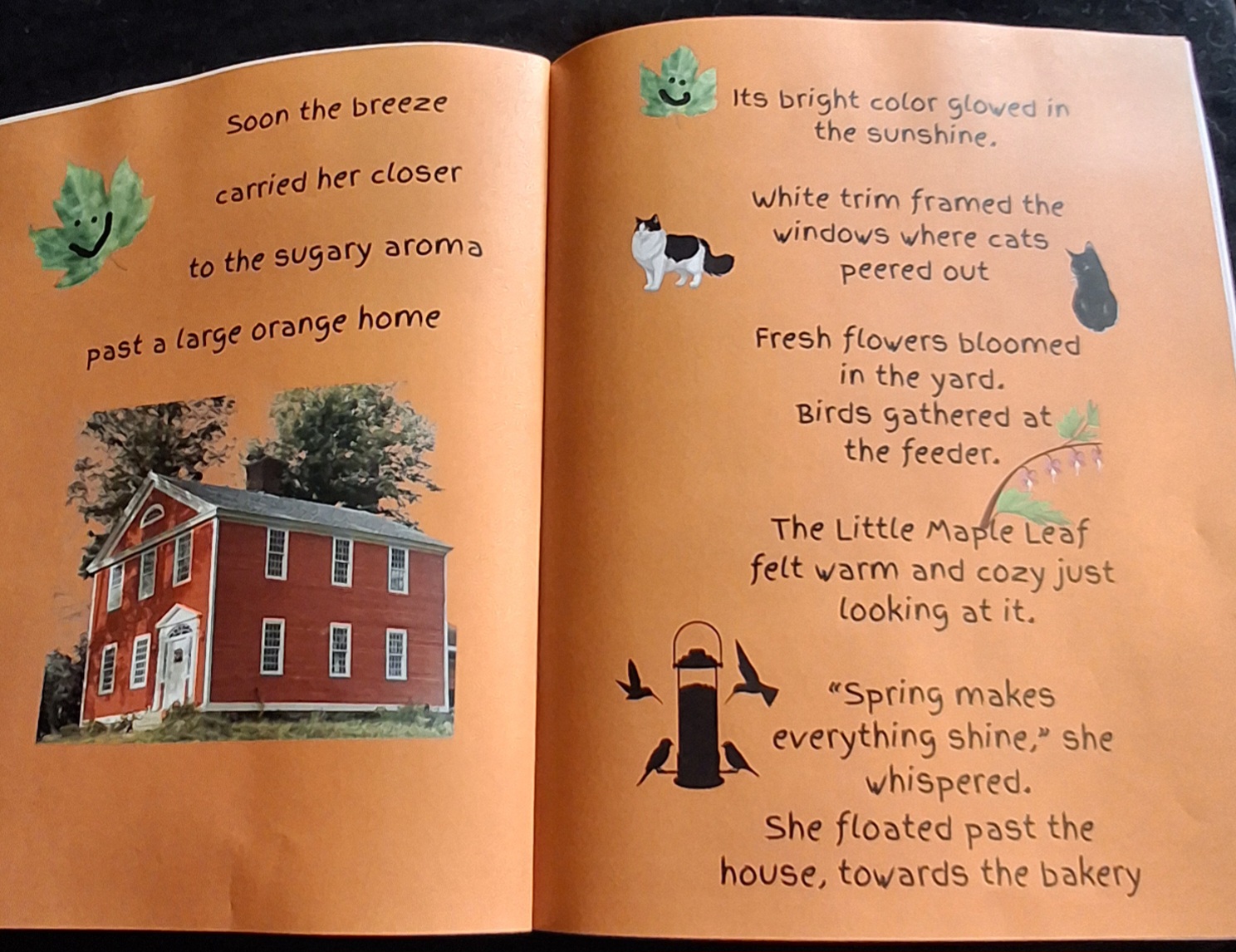
The Little Maple Leaf of Hebron: Place as Story
A local children’s journey through Hebron, Connecticut, using recognizable homes, trails, bridges and seasonal imagery to turn a hometown into a story.
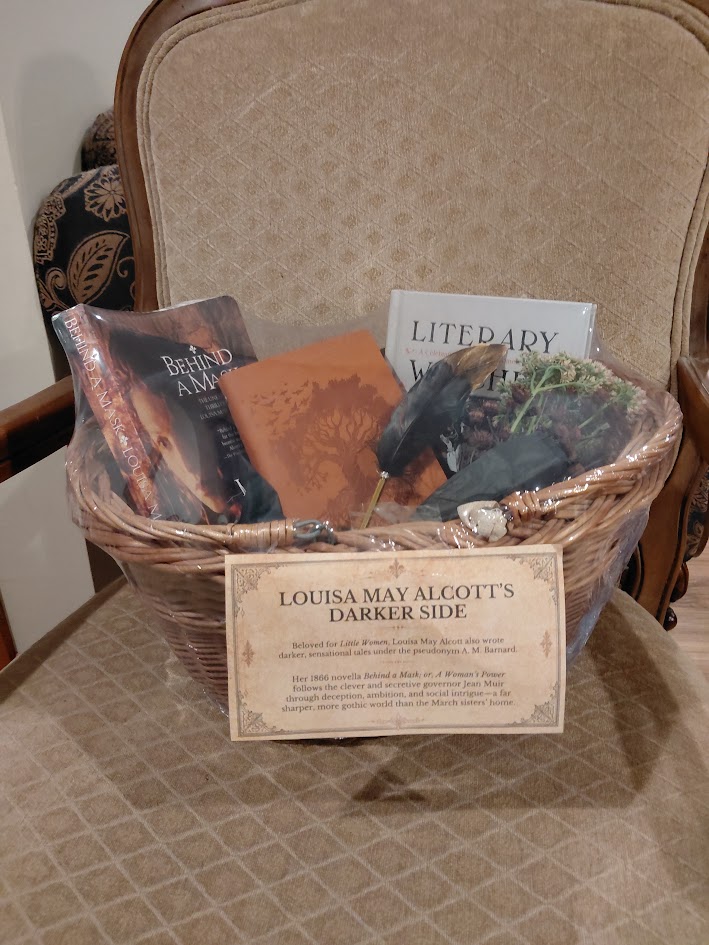
Louisa May Alcott: Behind a Mask & the Other Alcott
Before and alongside the domestic fame of Little Women, Louisa May Alcott published sensational stories under names including A. M. Barnard. Behind a Mask; or, A Woman’s Power centers on Jean Muir, a governess who performs the role society expects while strategically pursuing power and security. Its ambitious, deceptive heroine and its attention to female agency turn the respectable Victorian domestic ideal inside out—one reason Alcott’s darker writing feels so striking beside the public image attached to her later family fiction.
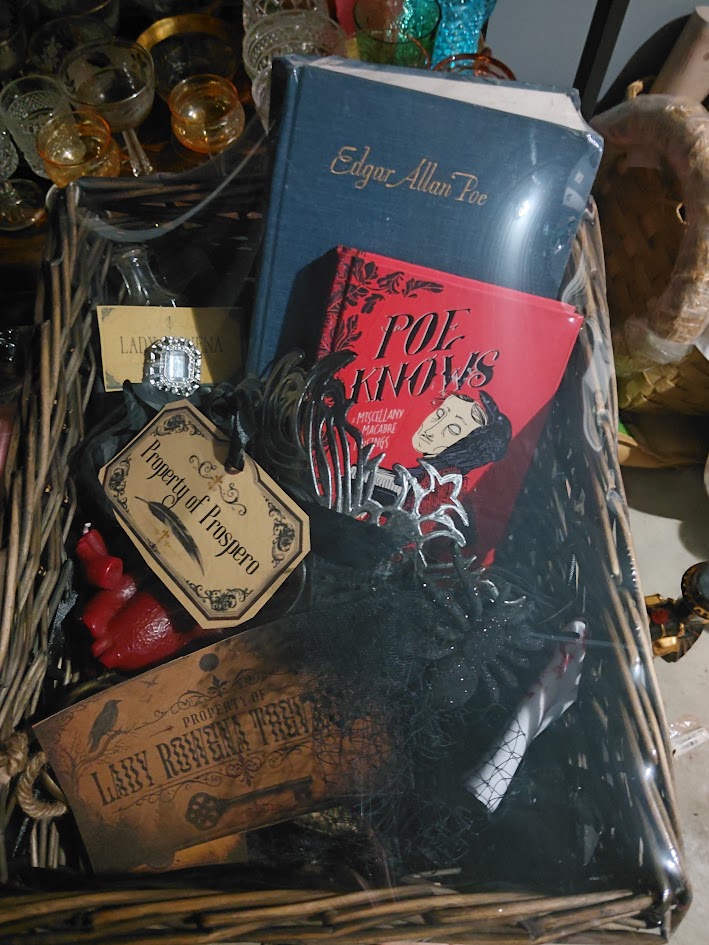
Edgar Allan Poe: Loss, Women & the Macabre
Loss entered Poe’s life extraordinarily early. His mother, actress Eliza Poe, died of tuberculosis when he was two; his foster mother Frances Allan died when he was twenty; and his wife Virginia Clemm Poe died of tuberculosis in 1847 at only twenty-four. Other important women, including Jane Stith Stanard, also died young. Those repeated losses do not explain every poem or tale, but they give meaningful biographical context to Poe’s recurring fascination with mourning, memory, idealized beauty and death.
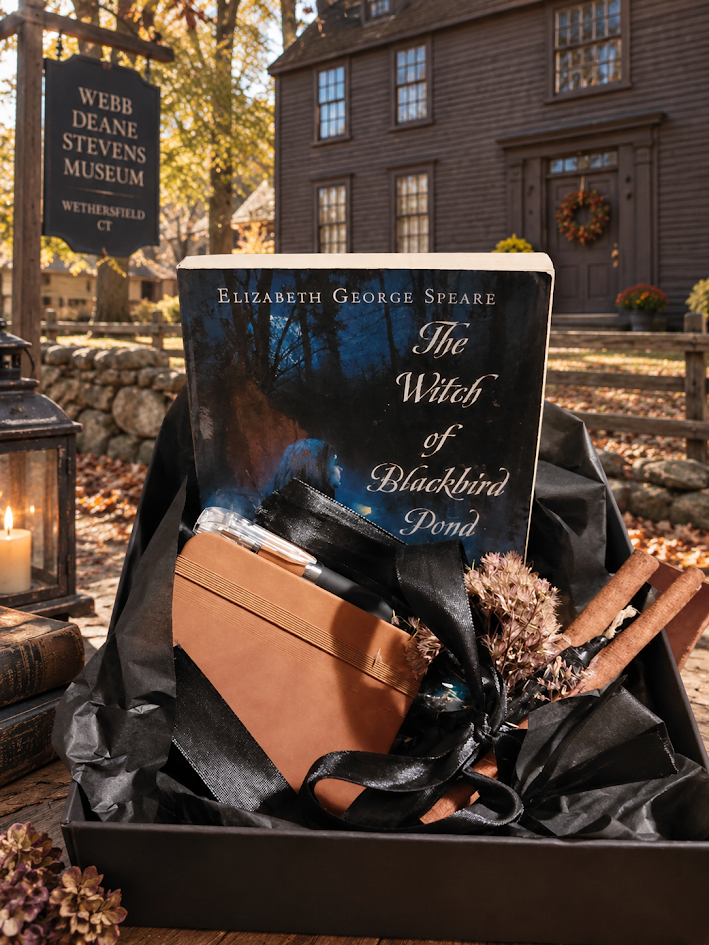
The Witch of Blackbird Pond: Wethersfield Behind the Story
Elizabeth George Speare used Wethersfield’s Buttolph-Williams House as inspiration for the setting of The Witch of Blackbird Pond. Its medieval-looking exterior and romanticized early-colonial interiors helped her imagine the world of the 1958 novel. The house is now a Connecticut Landmarks property operated by the Webb Deane Stevens Museum, and the novel won the 1959 Newbery Medal.
Edith Wharton: From Childhood Terror to Ghost Stories
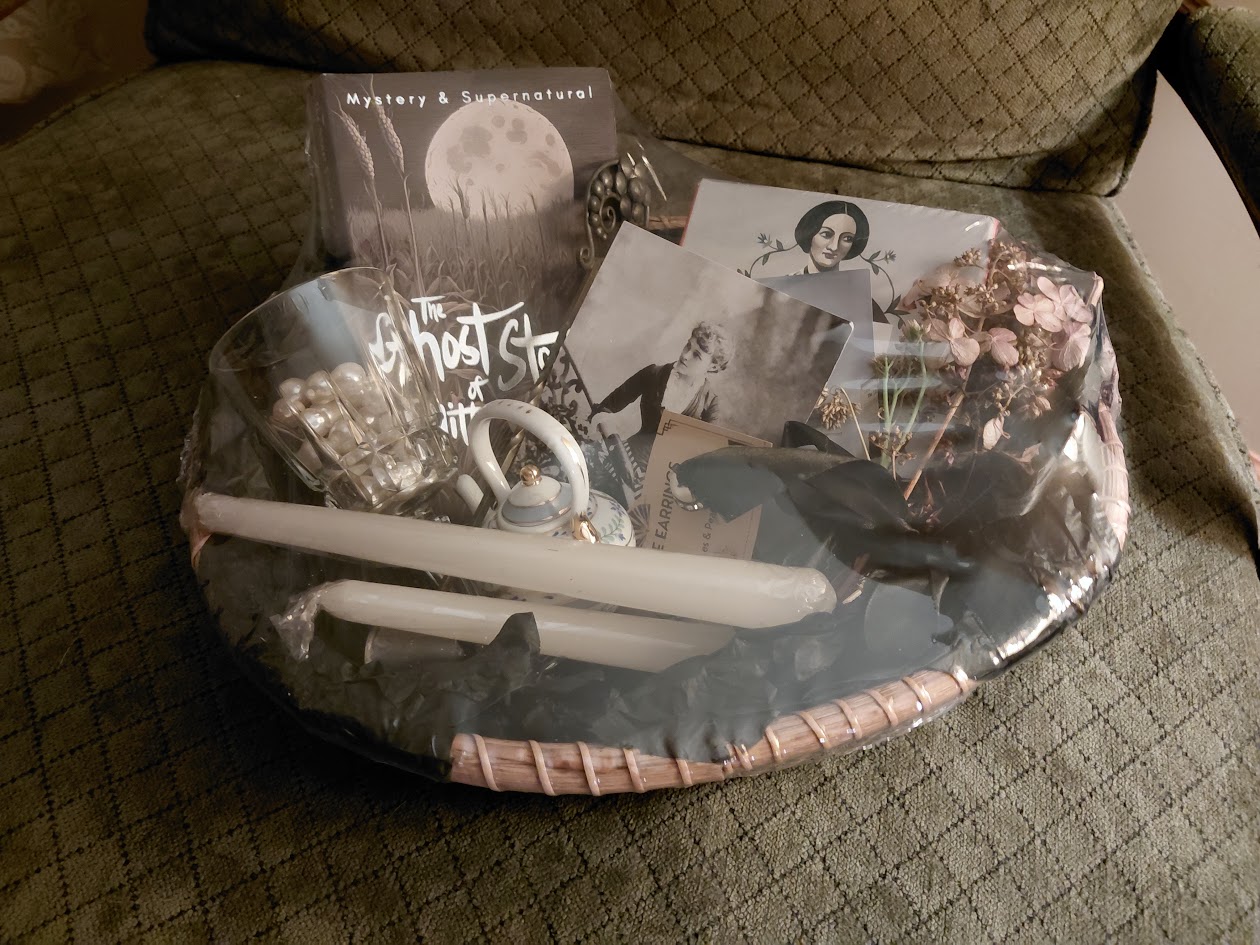
At nine, Edith Wharton became dangerously ill with typhoid fever while her family was in Europe. During her recovery she read a frightening story that triggered a serious relapse and, by her later account, left her living for years with an intense fear of ghosts and unseen horrors. She eventually transformed that fear into accomplished supernatural fiction. The Mount in Lenox, Massachusetts—the home Wharton designed and built—adds another layer to the journey: its architecture, gardens and carefully composed rooms reflect the aesthetic ideas she wrote about as well as the elegant interiors that so often frame her fiction.